

News and Articles
Company news, promotions, updates and interesting articles regarding HTTP proxies, Shadowsocks, Wireguard VPN and SOCKS5 in general
Company news, promotions, updates and interesting articles regarding HTTP proxies, Shadowsocks, Wireguard VPN and SOCKS5 in general
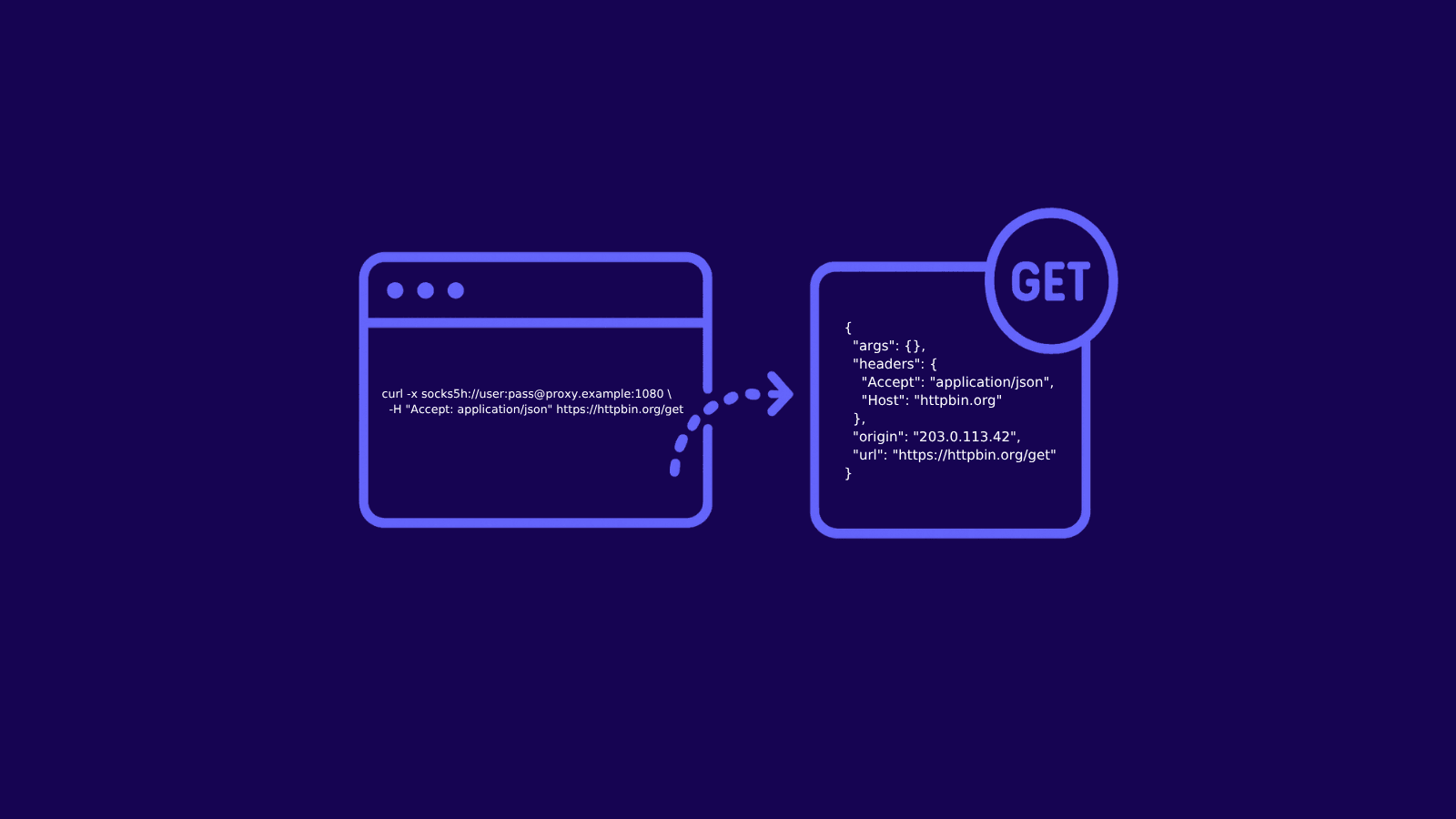
You can think of cURL as your command line remote for the web. It is everywhere and will let you get pages, JSON, or images while setting headers, cookies, and sessions. Because curl fits nicely into scripts, it is a great tool for quick checks and simple automation. This guide will focus exclusively on GET requests, starting simply and layering in the essentials until your quick one-liners become reliable workflows.
In this article we're doing deep dive into the Trojan proxy and discover together the inner workings of this protocol which allows you to bypass even the strictest internet censorships or firewalls out there.
Hitting a wall with IP bans or throttled connections during web scraping? Node Unblocker can put you back in control. This guide walks you through what it is, how to set it up, and how to use it to keep your scraper running without roadblocks, even when sites try to slow you down.
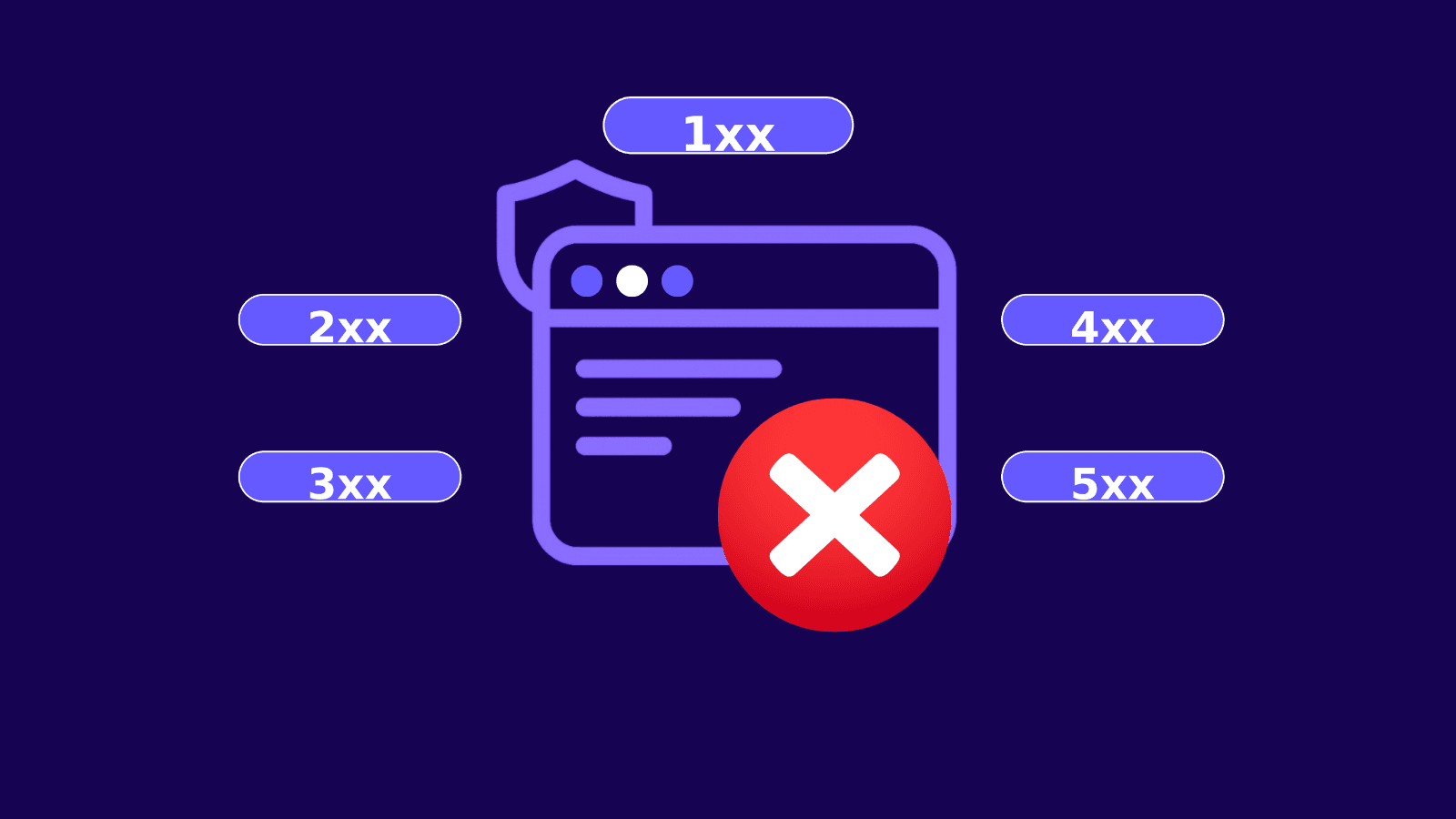
Proxies are brilliant when they work. They hide your IP, route traffic through different regions, and help you automate tasks responsibly. When they hiccup, though, you see cryptic error codes instead of results. This guide translates those codes into plain language and gives you clear, field-tested fixes.

Cleared cookies yet still recognized? That’s browser fingerprinting: sites blend small device and browser details into a unique profile. It helps with security and fraud, but raises privacy concerns. Learn how it works and how to limit exposure.
Not every rotating proxy setup works for every scraping job. Use the wrong rotation mode on a login-dependent site and you'll blow through sessions. Use sticky proxies on a high-volume public scrape and you'll burn IPs faster than you rotate them. This guide breaks down how to match your rotating proxy configuration to the site you're targeting. We'll cover rotation modes, proxy types, pool size requirements, and walk through a practical decision matrix so you stop guessing and start scaling.

Proxies for AI agents fix blocks caused by where agents run. See which type fits which task and how an agent can buy its own through an API.
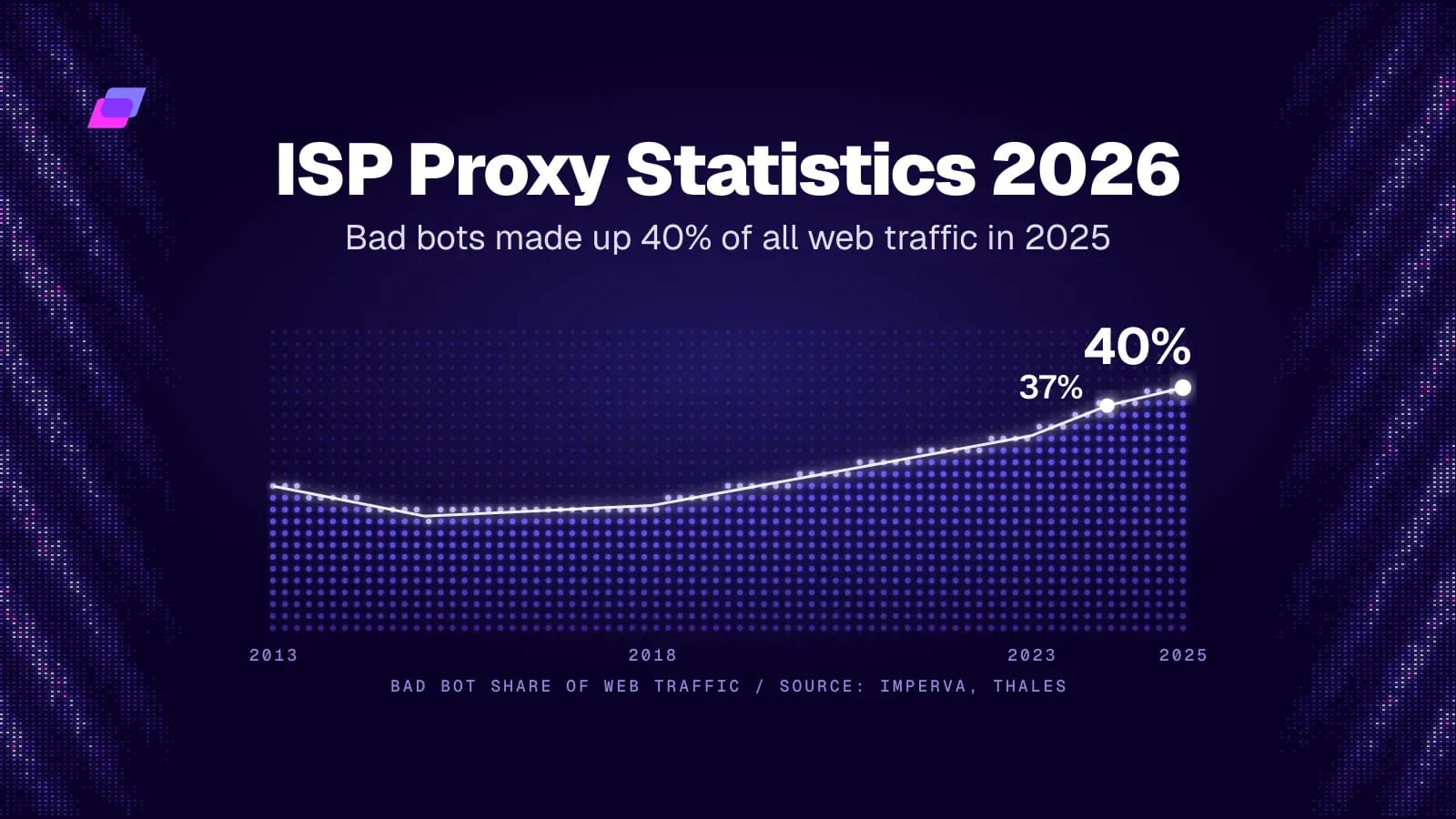
The numbers that actually define ISP proxy economics in 2026: market size, bot and AI traffic, IP infrastructure, commercial use cases, and scraping law. More than 50 primary-source statistics aggregated from 38 named regulators, anti-bot vendors, market research firms, and court filings. Refreshed every quarter.
This article breaks down the differences between IPv4 and IPv6, shedding light on their internet addressing mechanisms, unique formats, and the critical shift towards IPv6 for the internet's expansive future.
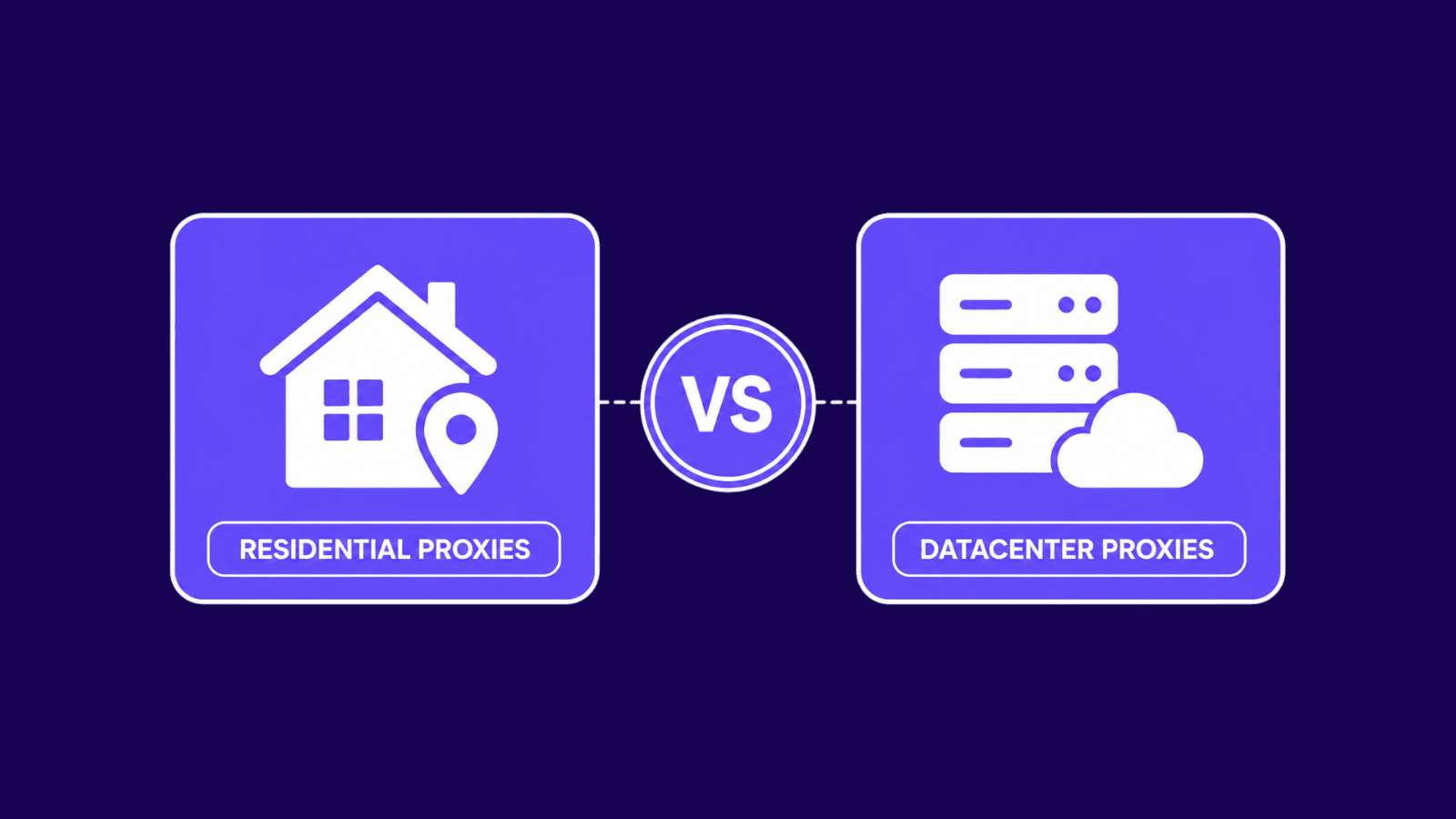
Learn how datacenter and residential proxies compare on speed, cost, block risk, and geo targeting. Pick what fits your project.
An anonymous proxy hides your real IP. Learn how it works, the three anonymity levels, and why sites can still spot one.
Managing more than one online account is not as simple as it used to be. Clearing cookies or switching browsers is no longer enough. Websites now look at more signals, including your browser fingerprint, session data, and IP address. When those overlap across accounts, the risk of verification, restrictions, or account links goes up.
That is why anti-detect browsers matter. They help keep browser identities separate, so each profile works like its own environment. Incogniton is one of the tools built for that purpose, combining isolated browser profiles, profile controls, and proxy support in one place.
In this guide, you will learn what Incogniton is, which features matter most, who it is best for, and why residential proxies make the setup more effective.
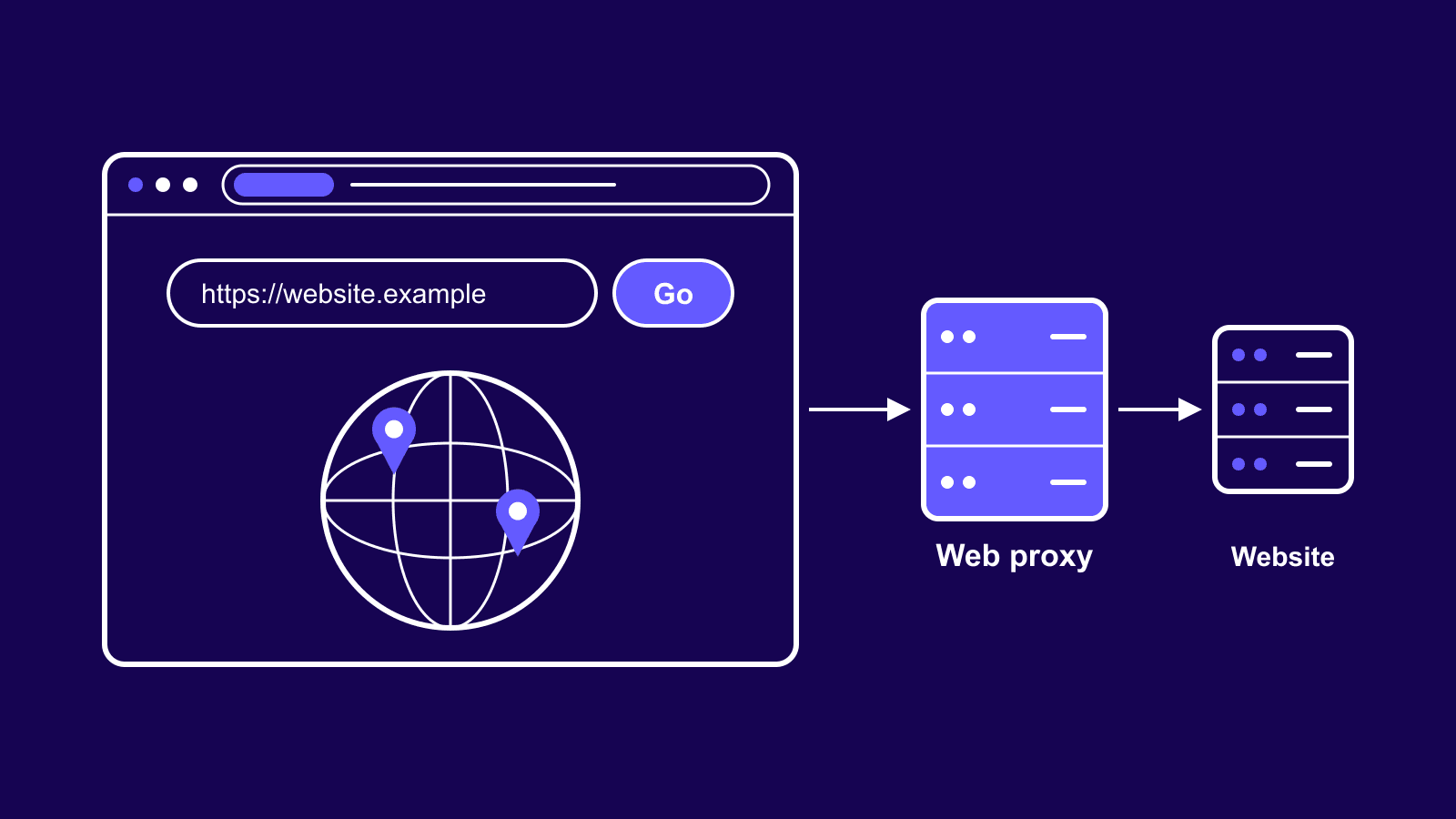
A web proxy loads pages for you so sites see its IP, not yours. Learn how it works, what its operator can read, and when you need a real proxy.
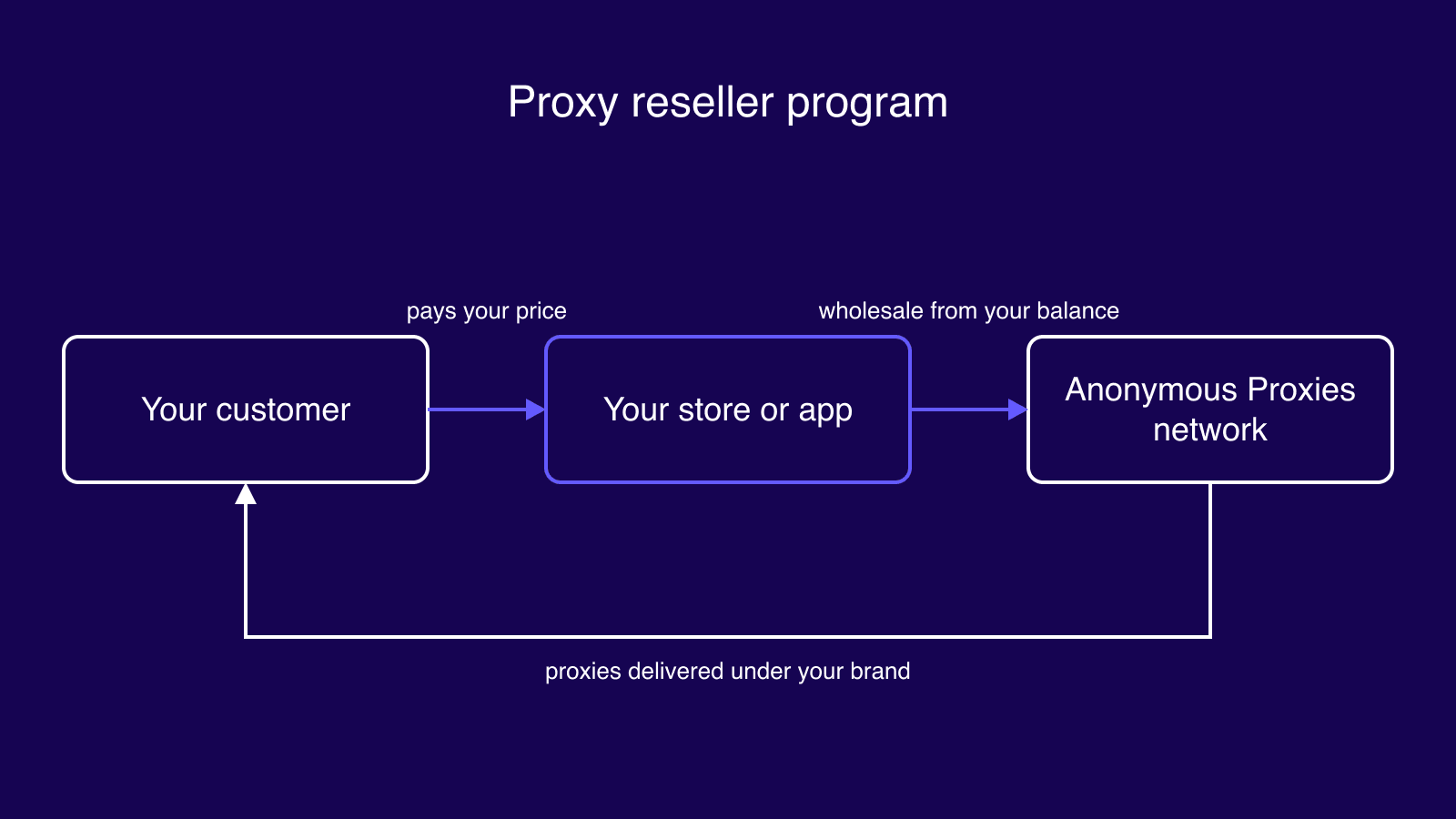
Resell our proxies under your brand through a white label store or our API. Wholesale from $0.80 per proxy, you set the price and keep the margin.
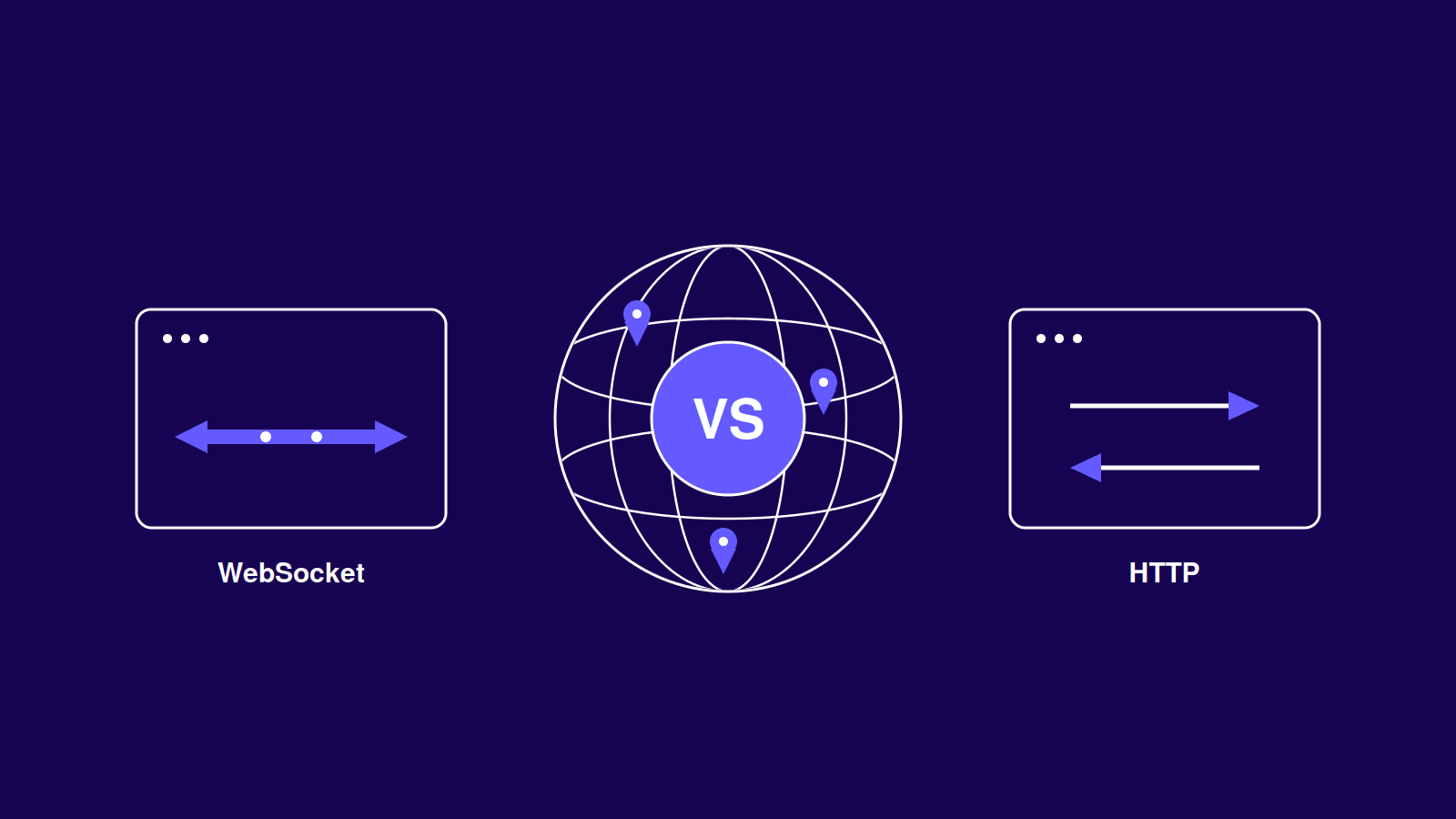
HTTP works request by request. WebSocket keeps one two-way connection open. See when to use each and how to route WebSocket traffic through a proxy.
If you’re looking at VPS vs Proxy, the real question is simple: do you need a server you can control, or do you need a better way to manage how your traffic reaches the web? While they can seem similar at first, they do very different things. A VPS is built for hosting and running software, while a proxy is built for routing traffic through a different IP. In this article, we’ll break down the difference, when each one makes sense, and when using both together is the better choice.
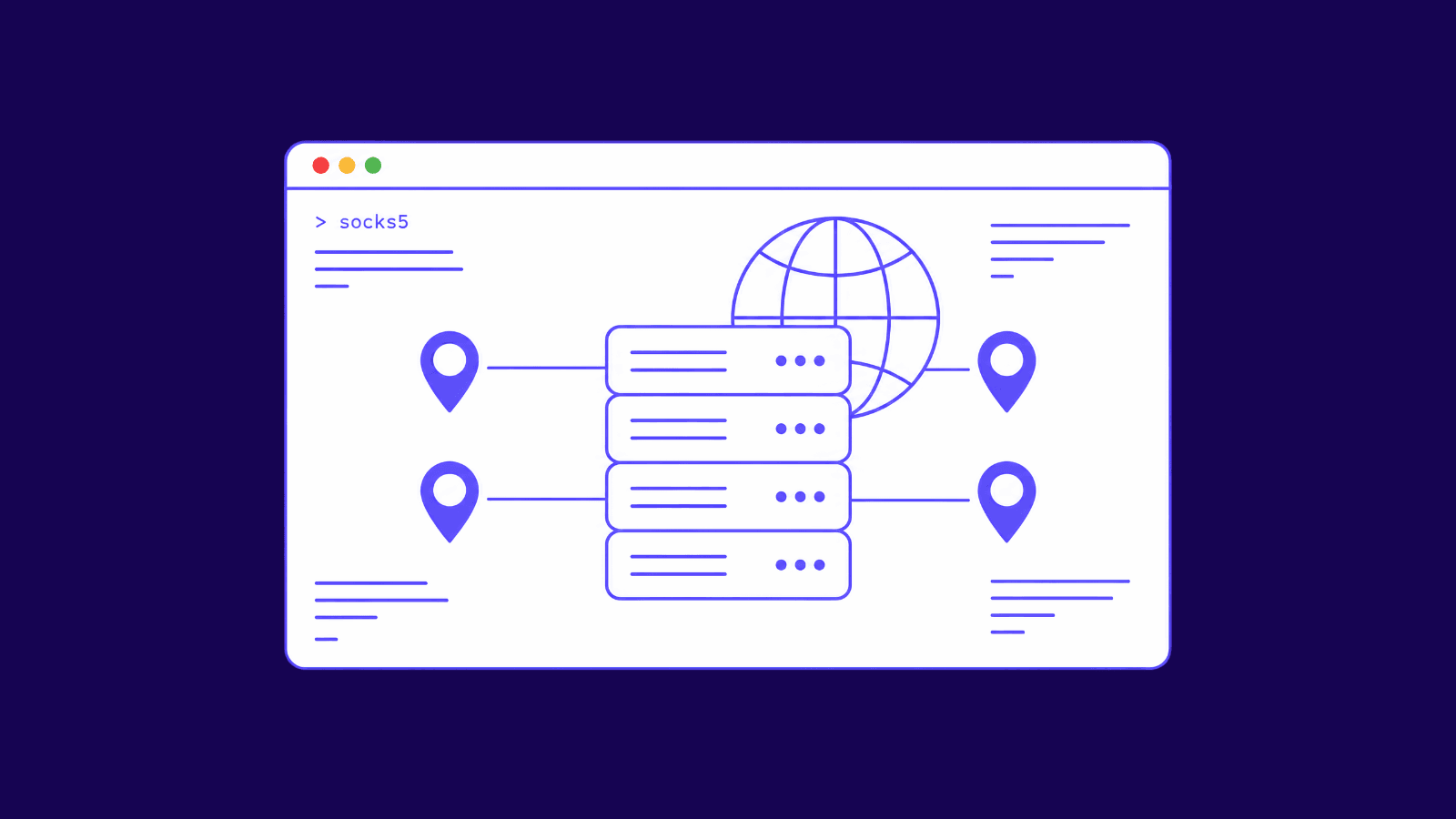
A SOCKS proxy routes any app's traffic through one IP. Learn how SOCKS5 works, how it differs from HTTP proxies and VPNs, and when to use it.
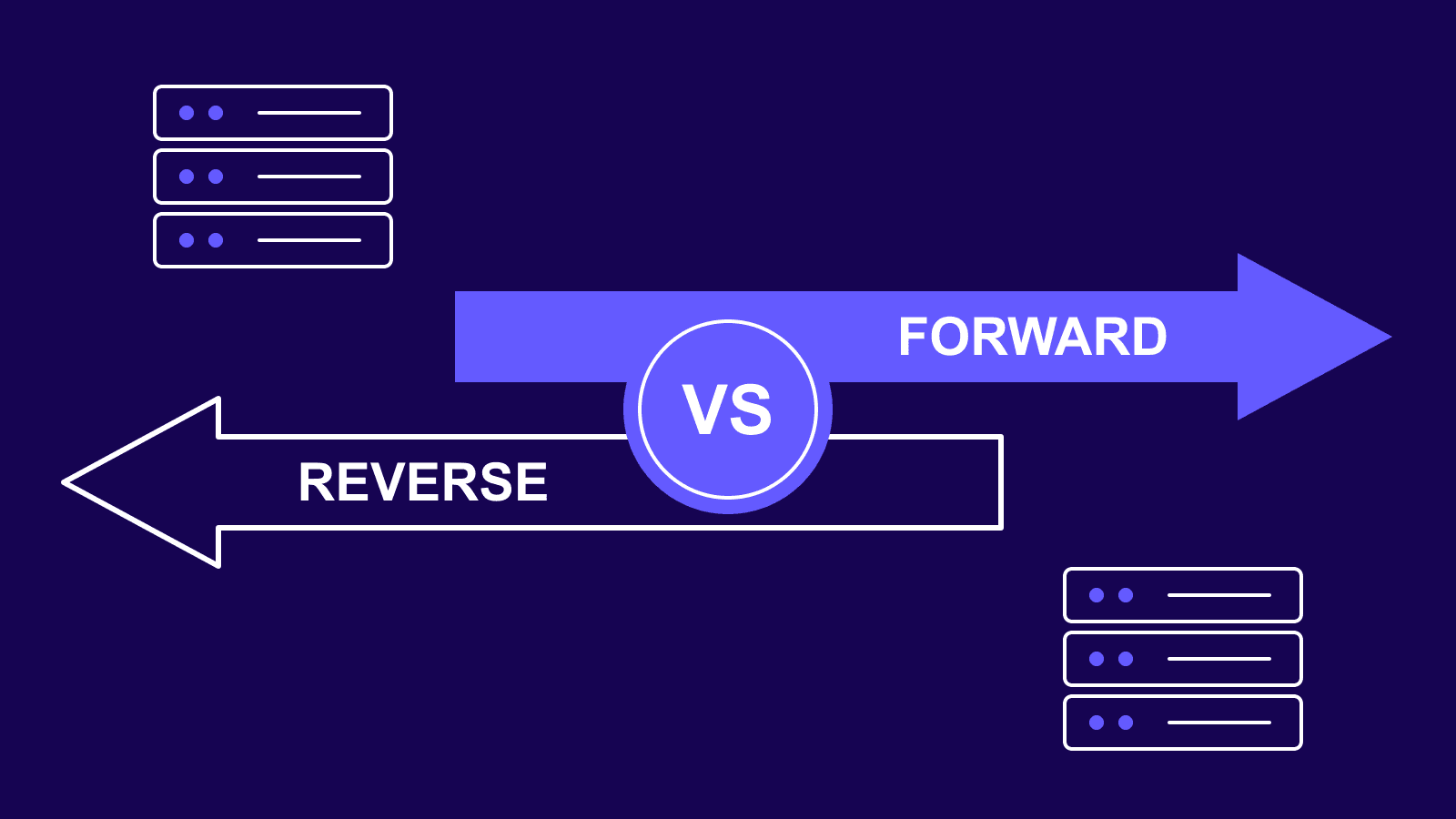
Forward proxy vs reverse proxy explained simply: one protects clients, the other protects servers. Learn how each works and which one your task needs.
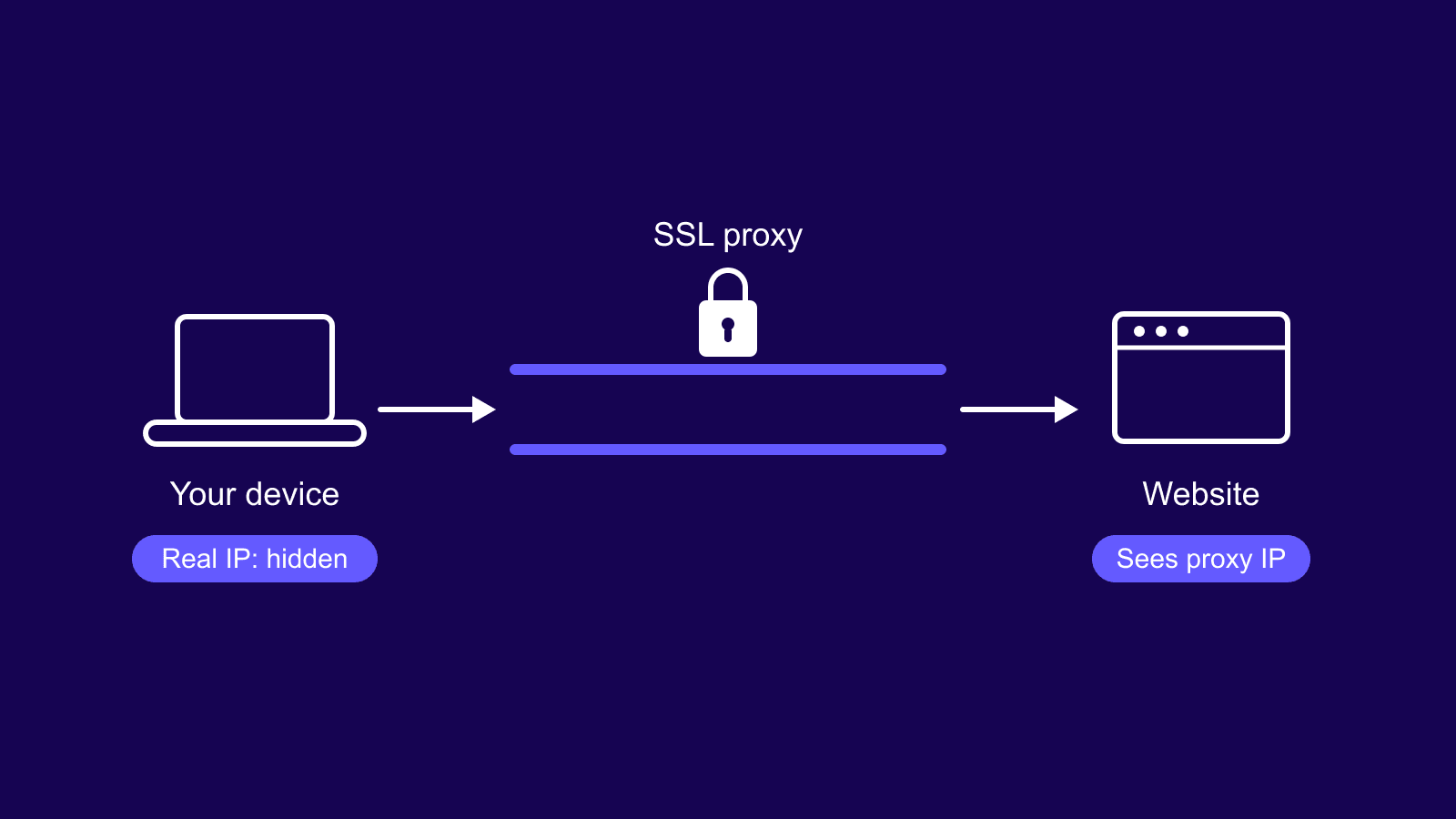
An SSL proxy (or HTTPS proxy) routes your traffic through an encrypted tunnel and hides your IP. Learn how it works, why 'SSL' means TLS, and when to use one.
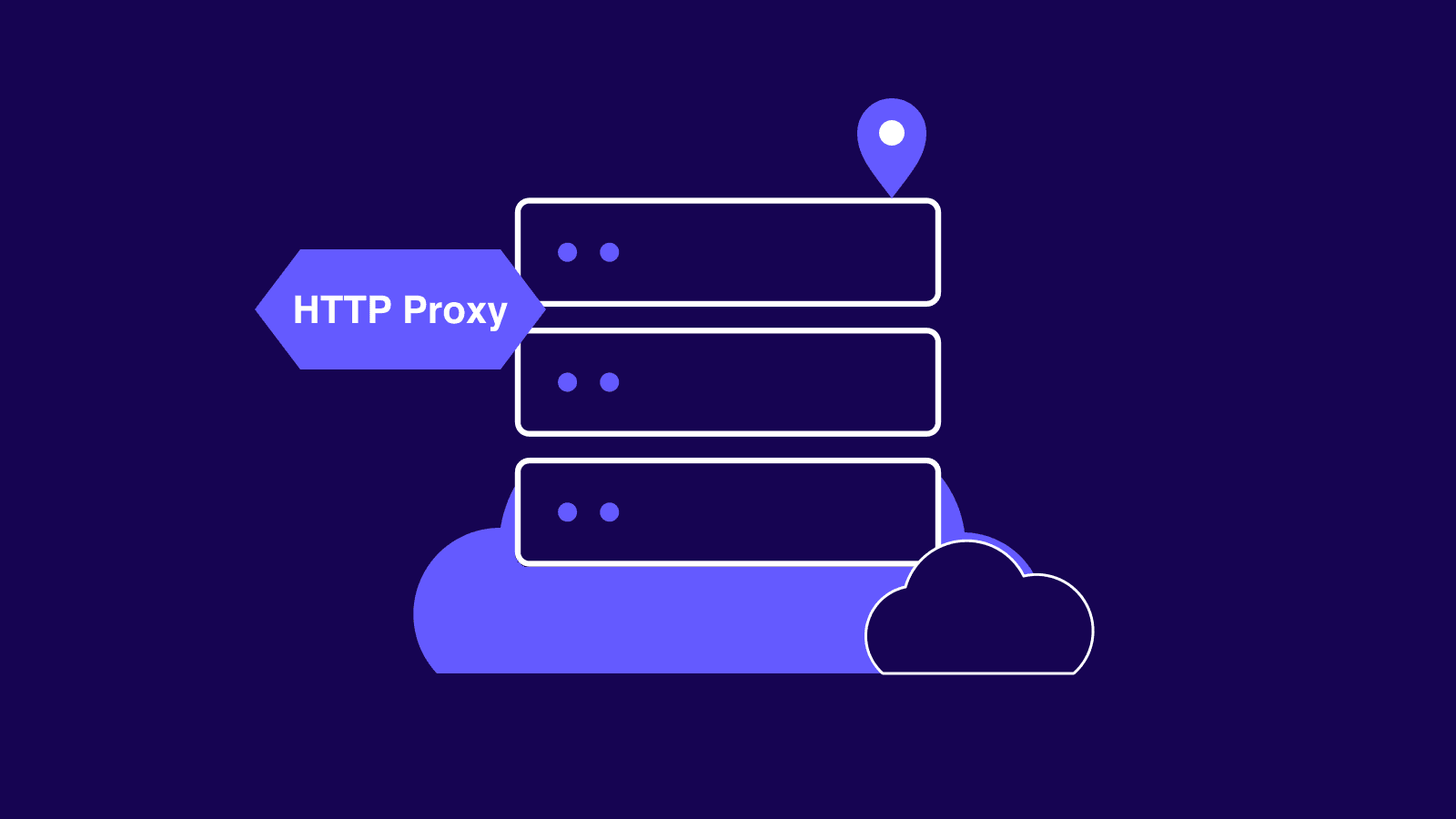
An HTTP proxy routes your web traffic through another IP. Learn how it works, how it handles HTTPS, and when SOCKS5 or a VPN fits better.
HTTP vs SOCKS proxies compared: how each works, speed, security, ports, and use cases, plus a simple rule for picking HTTP or SOCKS5 for your task.
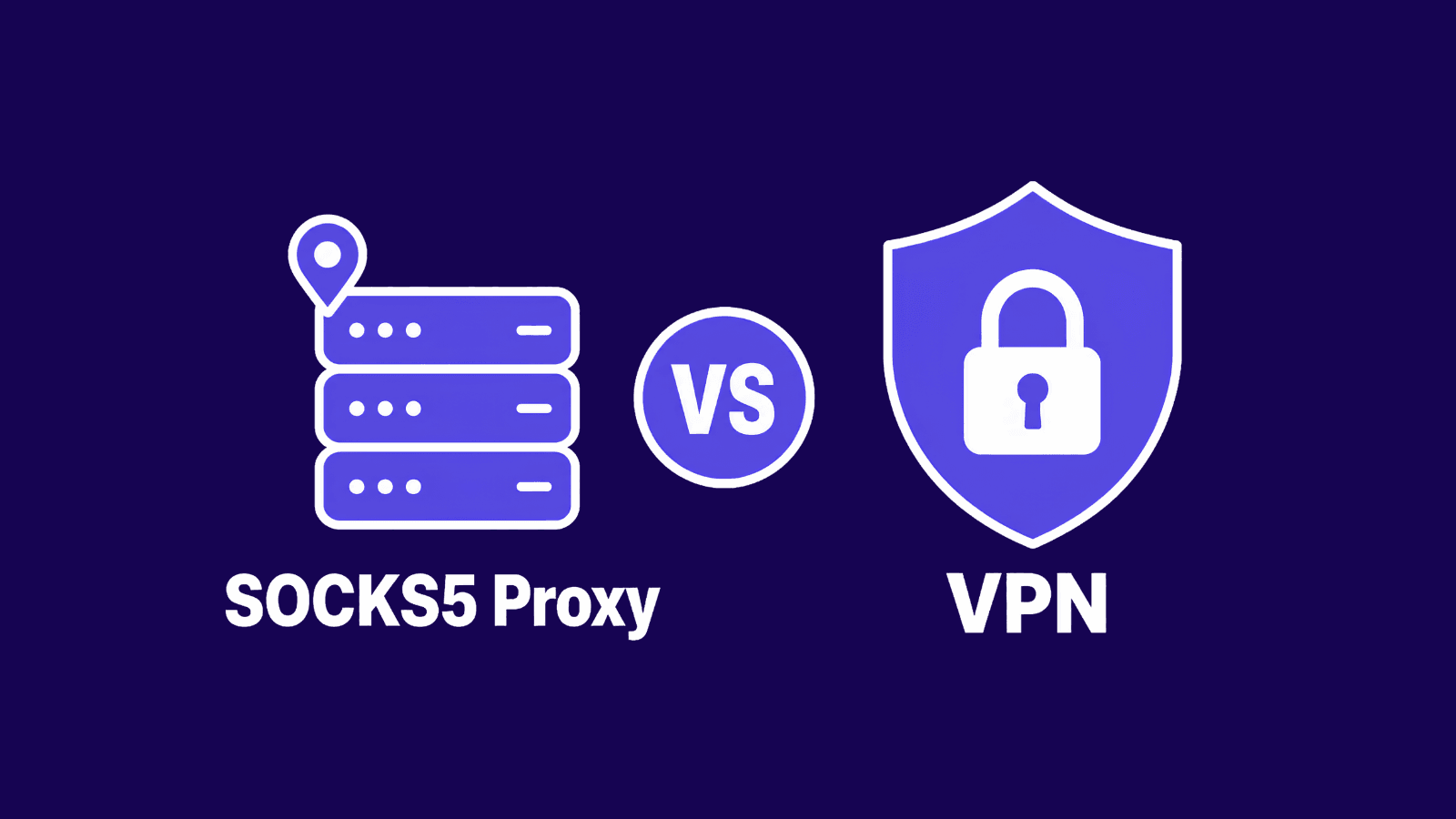
SOCKS5 proxy vs VPN compared: how each works, speed vs encryption, when to use which, and whether you can run them together.
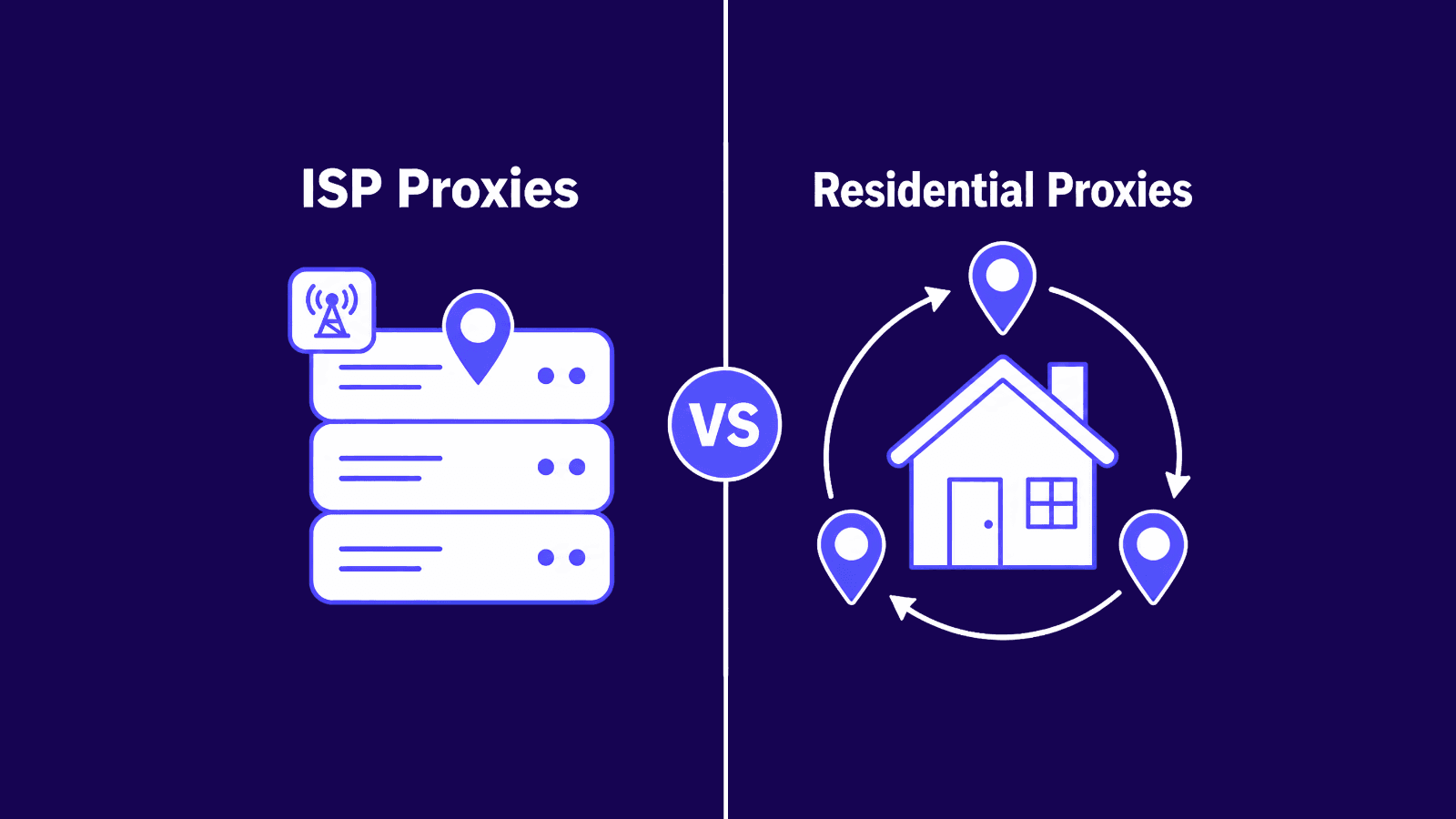
Compare ISP vs residential proxies on speed, rotation, pricing, and detection risk, and learn exactly which proxy type fits your task.
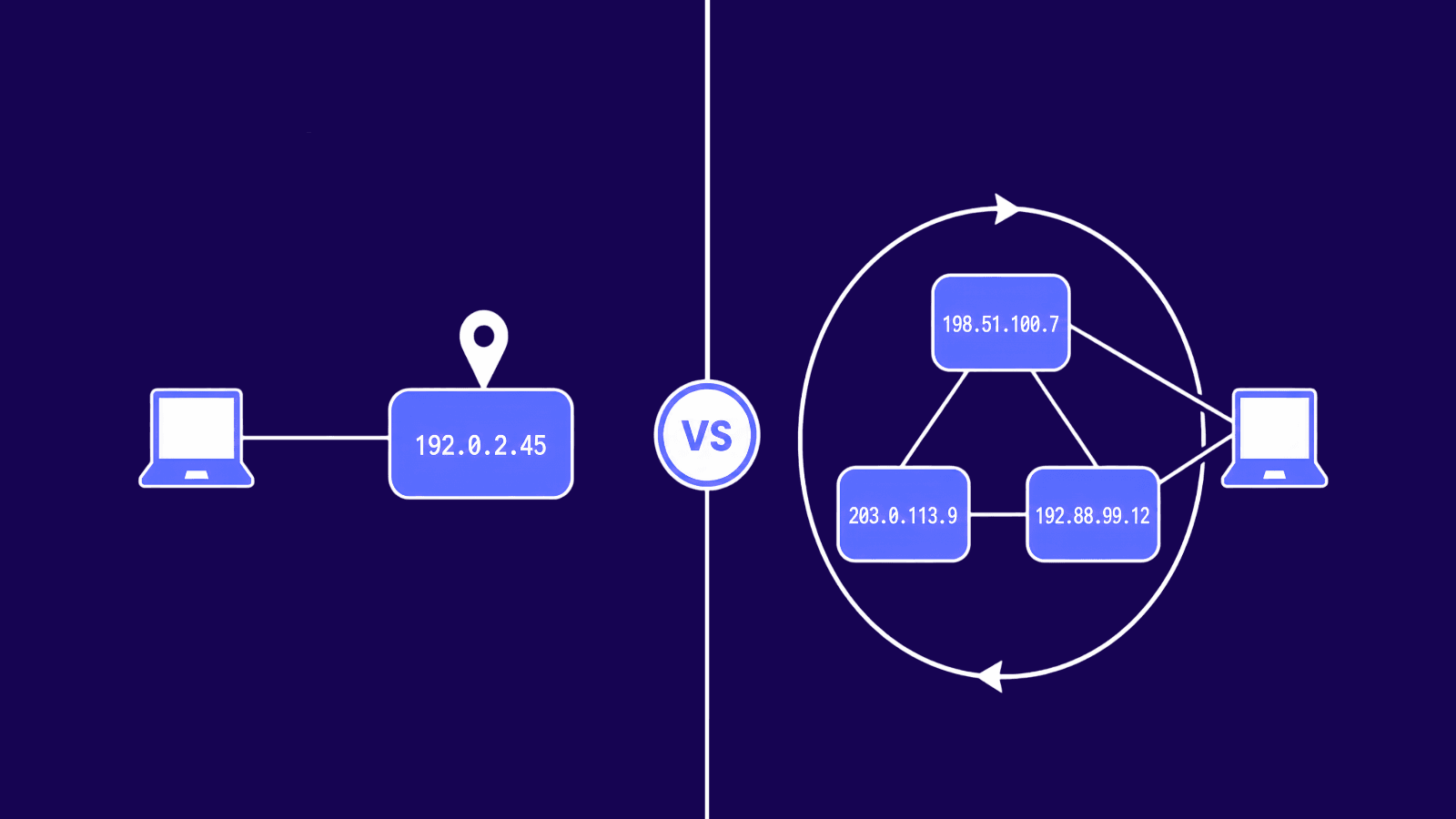
Sticky proxies hold one IP for your session, rotating proxies switch every request. Learn which one fits your task and when to use each.
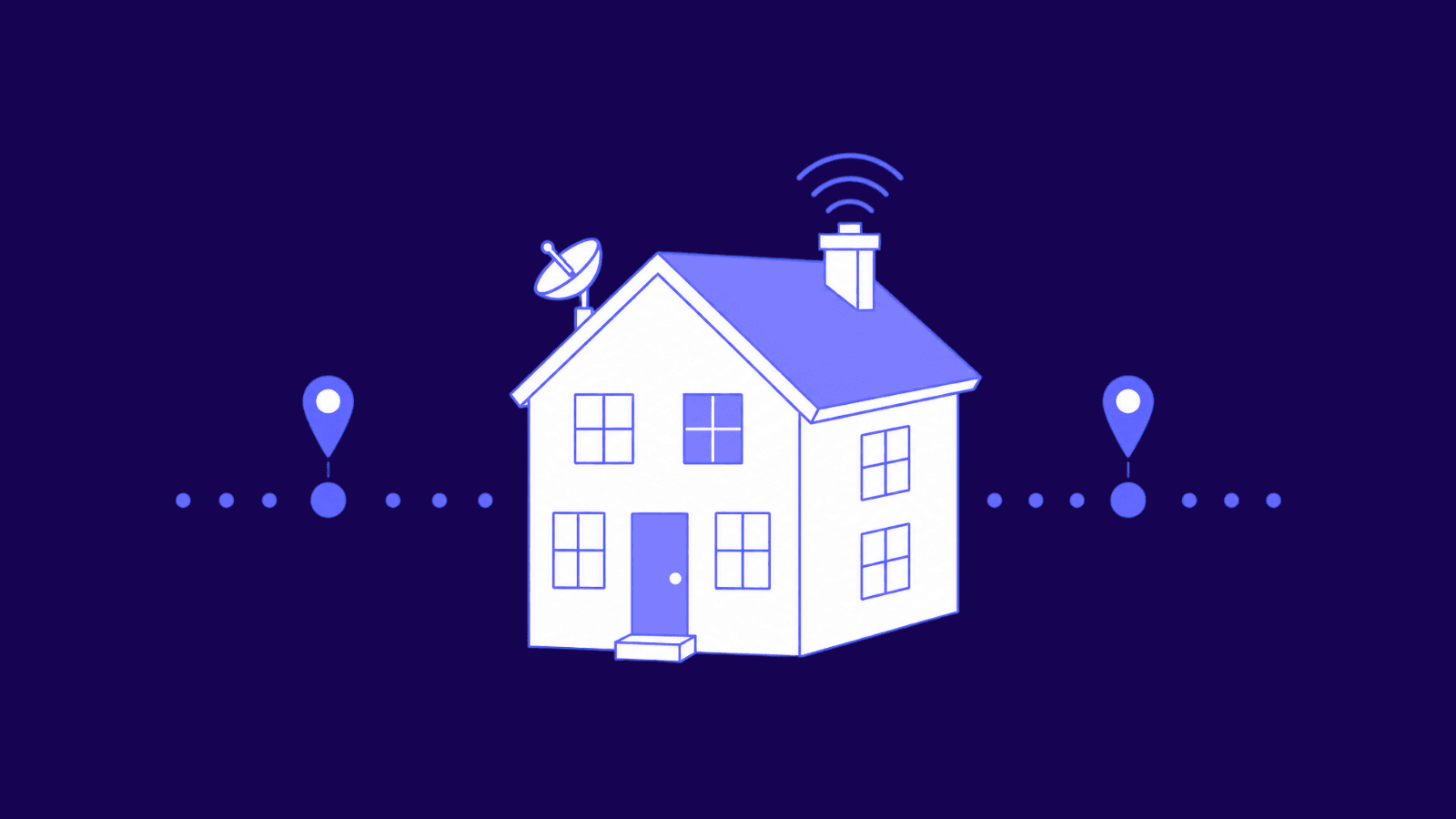
Learn what residential proxies are, how they work, and when to use them for scraping, price monitoring, SEO checks, and ad verification.
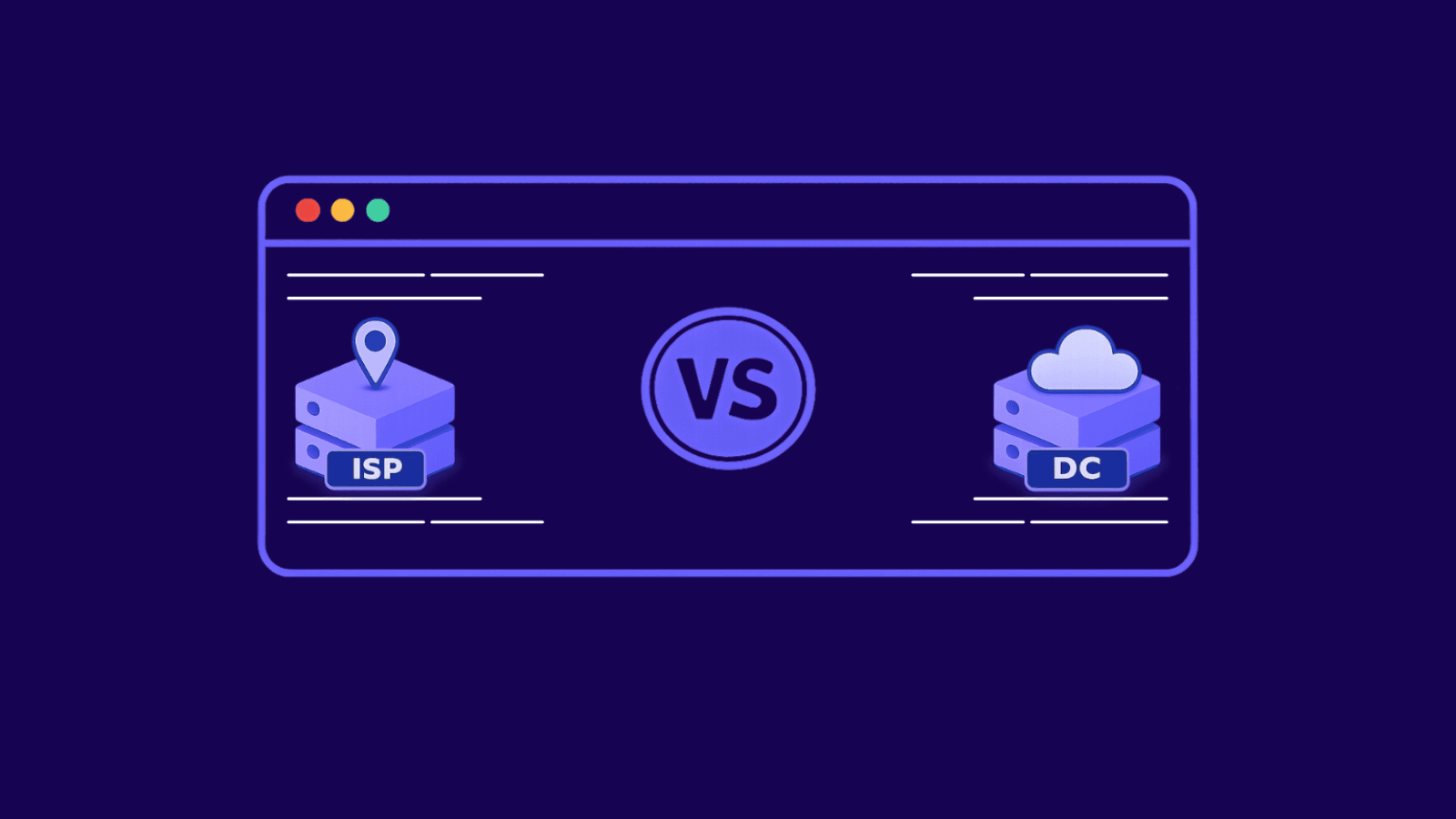
Not all proxies do the same job. Some are built for speed, scale, and large request volumes. Others are built for stable sessions and traffic that looks more like a real user. That is the core difference between datacenter proxies and ISP proxies.
On the surface, they seem similar. Both hide your real IP and route traffic through another server. In practice, websites treat them differently, and that affects block rates, session stability, and cost. This guide explains exactly what they are, their differences, where each one works best, and how to choose the right option for your use case
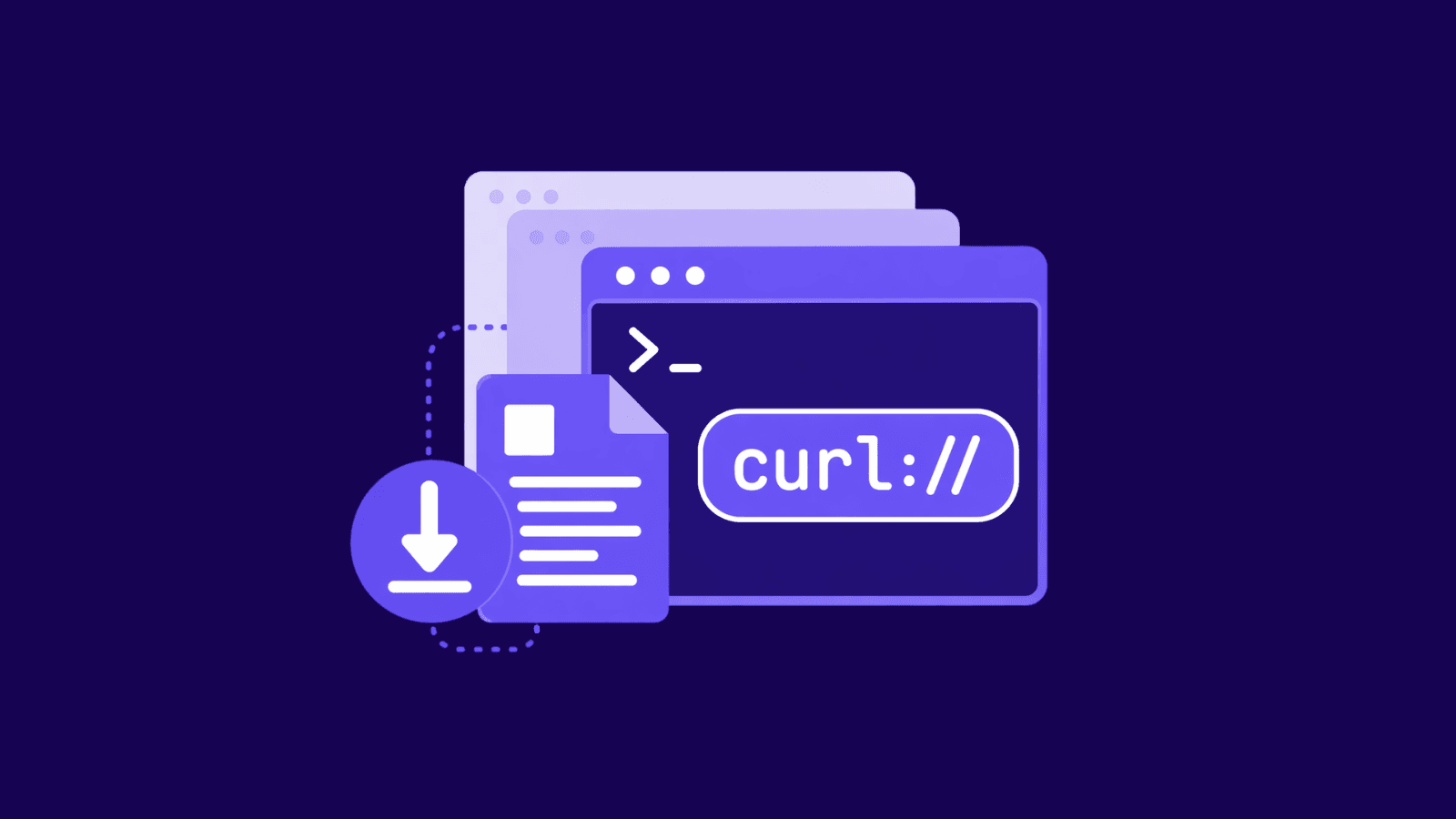
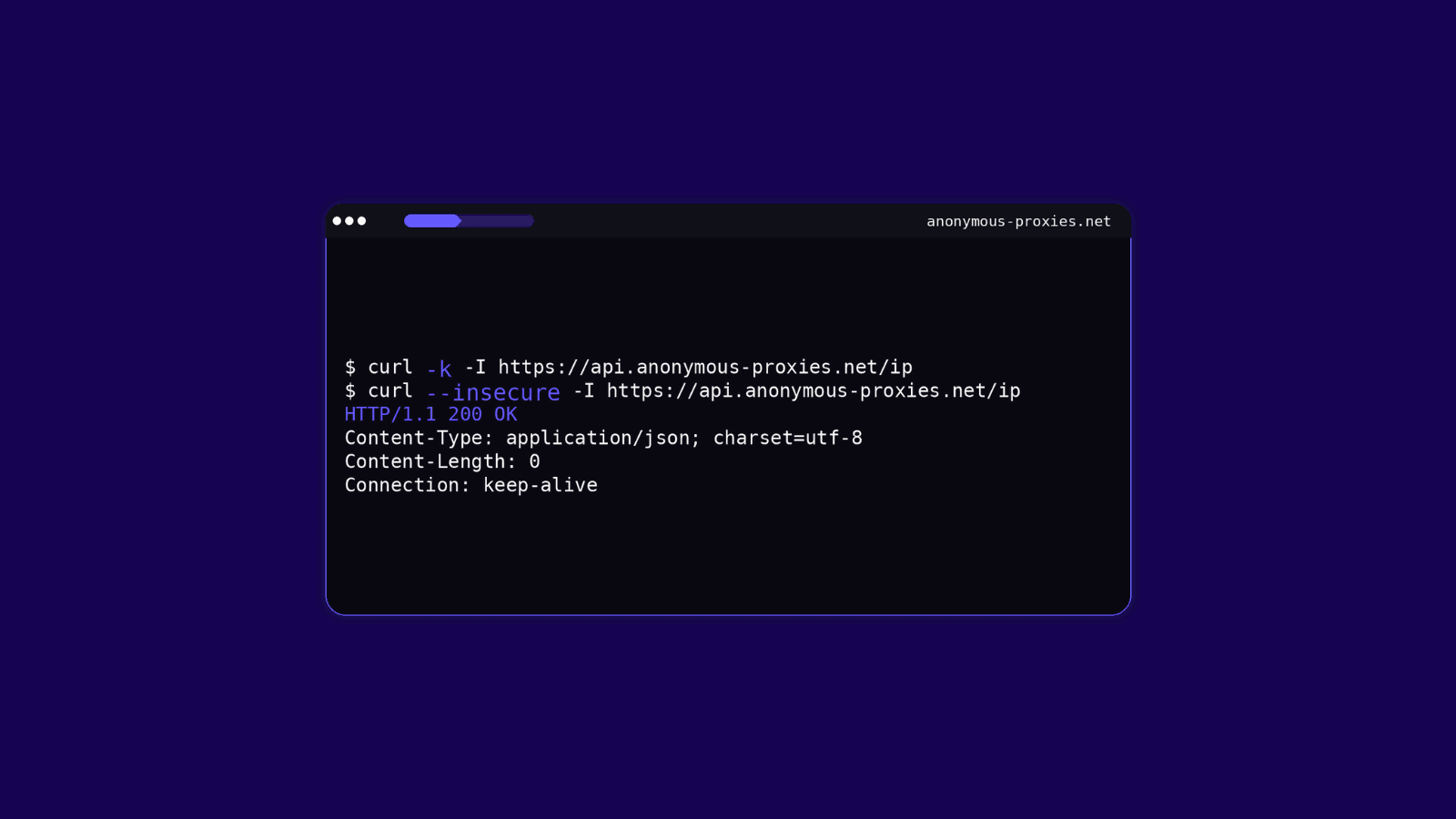
Learn how to download files with cURL, from basic flags to proxy routing, bulk IP rotation, and fixes for the most common errors.
Strong on network-level privacy. Useless against a bad click. Here's the line between the two.
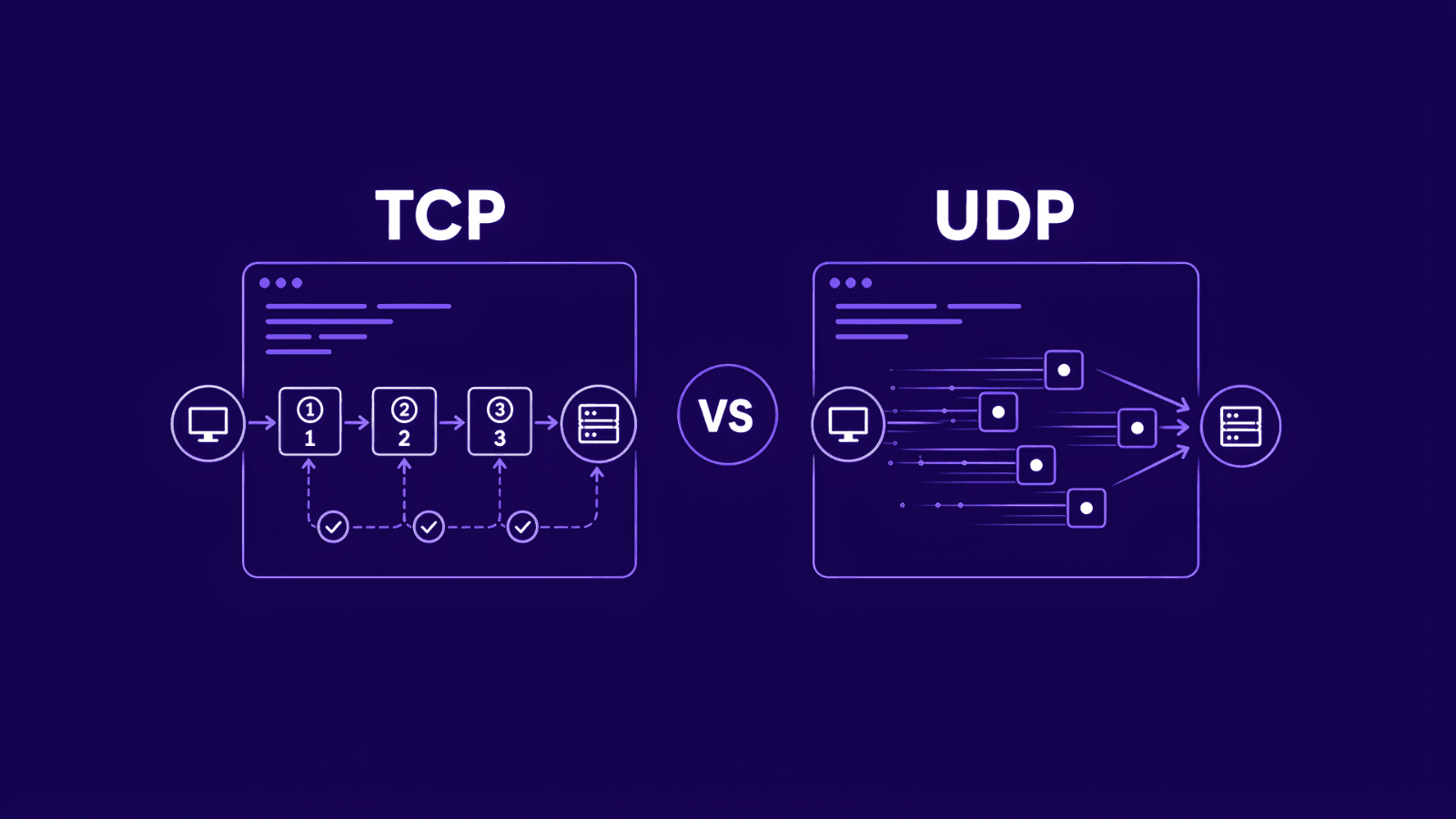
TCP vs UDP explained simply. Learn the key differences, when to use each, and how the choice shapes your proxy setup for any task.
WireGuard VPN offers rapid, secure connectivity with advanced encryption, ideal for seamless browsing, overcoming web restrictions, and ensuring robust online privacy.
Page 1 of 5